
Packaging is often treated like an afterthought. But in cosmetics, it is the first conversation your product has with a customer. The right cosmetic packaging does more than look pretty on the shelf. It protects formulas, preserves potency, signals quality, carries your brand story, and can even deliver on sustainability promises. If you are building or scaling a skincare or beauty brand, choosing the right cosmetic packaging supplier is one of the highest-leverage decisions you will make.
Below, I walk you through what a truly good cosmetic packaging supplier looks like, how to spot one, the practical steps to evaluate partners, and why a supplier like Cosmopacks can make the difference between a product that flops and one that wins customers. This is a hands-on, experience-first guide for founders, product managers, and brand marketers who want packaging that performs.
Why is packaging more than “just a box”?
Think about the last time you bought a skincare product. Did the bottle feel solid in your hand? Did the cap click, or leak? Did the design live up to the promise on the label? Those little details shape trust. Packaging is an instrument and a messenger: it keeps your formula intact and it tells a story about your product before the customer ever opens it.
A good cosmetic packaging supplier understands all sides of this equation. They consider materials, compatibility with ingredients, manufacturing tolerances, branding, user experience, logistics, and the regulations that impact their product. You need a partner that balances design, mechanics, and supply chain reliability.
The true value of cosmetic packaging
Packaging is the first impression.
A premium matte bottle, tactile cap, or carefully embossed logo sets expectations about what’s inside. Cosmetic packaging is your product’s handshake. If the packaging feels cheap, consumers may assume the formula is of inferior quality.
Packaging protects and preserves
Some ingredients are sensitive to oxygen or light. Airless systems, dark glass, and barrier liners are practical engineering choices that extend shelf life. A reliable cosmetic packaging supplier guides you through compatibility, ensuring your serums and creams remain stable and effective.
Packaging communicates brand identity.
Packaging is visual language. Minimalist, clinical, luxe, eco, playful—these are all choices you make through materials, finishes, and typography. A good supplier helps translate brand positioning into packaging that sells.
What defines a good cosmetic packaging supplier?
At first glance, a supplier might seem like just a factory. A good supplier is much more: they are an advisor, engineer, production planner, and quality manager rolled into one. Here are the non-negotiable traits.
Experience and industry expertise
Years in the field matter. Packaging manufacturers who regularly serve skincare and body care brands are familiar with common pitfalls, including ingredient compatibility, regulatory paperwork, shipping tolerances, and popular formats such as airless bottles, jars, tubes, and compacts.
Design and customization capability
Off-the-shelf can be fine for some brands, but if you want a standout product, you need customization. Good suppliers offer CAD, 3D renderings, sampling, surface finishing, and precise color matching.
Consistent quality and delivery
Consistency beats flash. On-time delivery and repeatable quality reduce risk. Look for suppliers with lean manufacturing, automated printing and assembly, and standard QC protocols.
Sustainability and materials selection
Sustainable materials are no longer optional. Suppliers should offer PCR plastics, PLA, bamboo, and eco-conscious design choices while advising on functional tradeoffs.
Strong communication and service
Packaging projects are full of detail. Fast, clear communication, clarity about lead times, transparent pricing, and decent after-sales support are hallmarks of a reliable partner.
Key qualities to look for when you evaluate suppliers
Proven track record
Ask for case studies, client references, photos of past work, and examples of similar projects. Suppliers who show how they solved a packaging challenge for another brand are worth serious consideration.
Quality control and certifications
Verify ISO certifications and regulatory compliance requirements relevant to your target markets. Cosmopacks, for example, emphasize quality standards and QC steps, such as pressure resistance, deformation resistance, and leakage testing, to ensure packaging integrity.
Customization capabilities
Are they set up for printing, hot stamping, vacuum coating, and surface treatments such as spraying and electroplating? Can they handle Pantone color calibration? Being able to match your visual identity is crucial.
Sustainability commitment
Does the supplier offer PCR materials, bamboo options, or biodegradable lines? Do they clearly explain the tradeoffs in cost, durability, and compatibility?
Logistics and lead times
Where are their factories located in relation to ports? What is their daily output capacity? Practical logistics facts matter: lead time and consistent supply can be brand-saving.
Sampling and prototyping
Can they produce prototypes for testing? A supplier should support sampling, functional trials, and packaging-product compatibility testing before mass production.
Wholesale cosmetic packaging suppliers – why they matter
If you are scaling, wholesale cosmetic packaging suppliers provide economies of scale, reduced unit costs, and more reliable inventory management. However, wholesale also raises the stakes: longer runs, larger minimum order quantities, and increased logistics complexity.
A supplier that serves B2B and wholesale clients understands how to balance MOQ, production scheduling, and quality control across batches. Cosmopacks, for instance, offers advantageous MOQs and flexible options for startups while supplying large volumes for established brands.
Types of cosmetic packaging to consider
Different products demand different containers. Here’s a practical breakdown.
Bottles
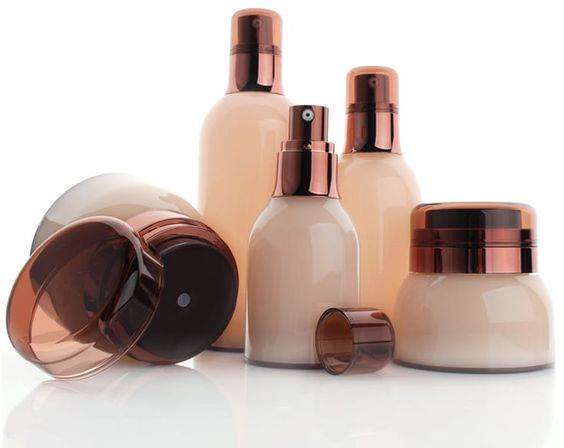
Airless bottles, lotion bottles, and roll-on bottles are common. Airless bottles protect sensitive serums from oxidation and are a favorite for premium skincare.
Tubes
Squeeze tubes are flexible and inexpensive. Multi-layer or 5-ply tubes protect formulas that might react with oxygen or light.
Jars
Acrylic, glass, or PCR jars are practical for creams. Double-walled acrylic jars give a luxury look while protecting formulas.
Makeup containers
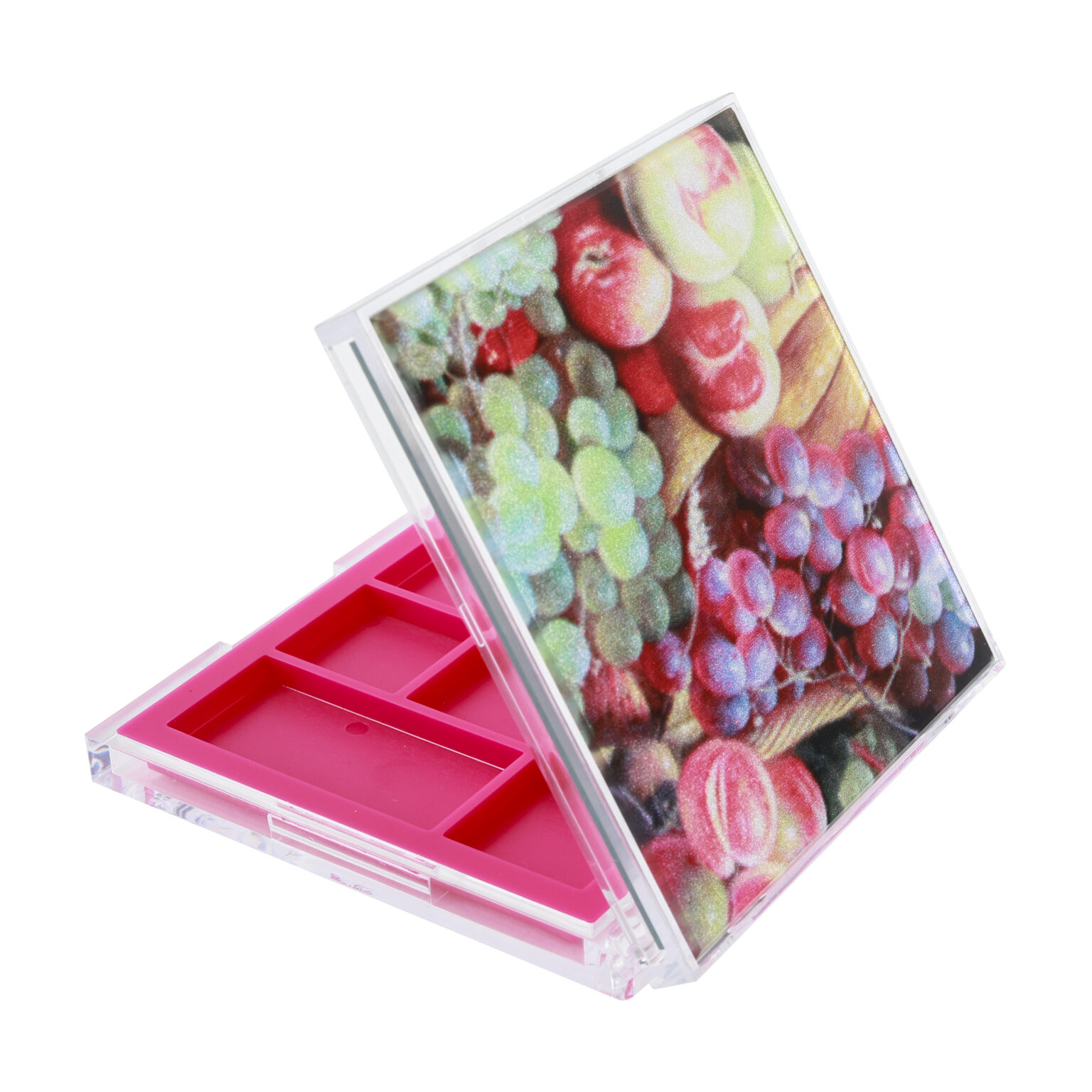
Compacts, powder palettes, and stick packaging need robust hinge mechanisms and clean finishes. Durability here is important for daily-use items.
Recycled and eco-friendly packaging
PCR, PLA, bamboo, and glass are viable choices depending on your product. PCR reduces CO2 emissions, PLA is biodegradable under the right conditions, and bamboo offers a renewable aesthetic.
Custom cosmetic packaging manufacturers: when and why to use them
If your product requires a unique user experience or a distinctive look, custom packaging manufacturers are the ideal solution. Customization builds memorability and brand equity.
Brand differentiation
If everyone in the category is using clear PET jars, a matte, double-walled bottle or a bamboo-capped jar can help you stand out.
Functional advantages
Custom dispensing systems, such as specialized pumps, droppers, or airless interiors, can enhance product performance and user satisfaction.
Production and scale
Custom manufacturers translate a design into production-ready tooling, molds, and scalable processes. Ensure they have the injection molding, surface treatment, and printing capabilities needed for your design.
Spotting red flags in a supplier
Not every supplier deserves trust. Watch for these warning signs.
Hidden costs
If a quote seems low but the terms are vague or there are numerous add-on fees, request a detailed cost breakdown.
Missed deadlines
Late samples or missed lead times during due diligence predict inconsistent delivery once orders are larger.
Poor communication
Slow responses, unclear timelines, and evasive answers about certifications or capacity are a red flag.
Lack of compliance or testing
If a supplier can’t share QC reports, testing data, or certification details, tread carefully.
A practical checklist to evaluate suppliers
Request samples and check build quality, finish, and functionality.
Ask for production photos and QC reports.
Confirm material compatibility testing for your product formula.
Confirm MOQ, lead times, daily output, and shipping options.
Check references and client testimonials.
Review sustainability claims for specificity, not just marketing language.
Verify certifications such as ISO and any market-specific approvals.
The Cosmopacks story – a real example of a supplier that fits the brief
Let’s make this concrete. Cosmopacks is a B2B wholesale supplier and manufacturer specializing in cosmetic packaging for skincare and body care products. Their team offers design, prototyping, automated printing, injection molding, surface finishing, and diligent QC. For brands targeting North America, Europe, and Australia, Cosmopacks positions itself as a partner with production capacity, sustainable material options, and designer support.
How to run a packaging project without losing your mind
Packaging projects are multitiered and detail-heavy. Here’s a practical workflow you can follow.
1. Start with product requirements
List ingredient sensitivities, desired capacities, dispensing style, and brand positioning.
2. Shortlist suppliers
Use the checklist above. Include one reliable domestic partner for rushed runs and one international partner for cost-effective large orders.
3. Prototyping and testing
Order prototypes and run compatibility tests. Check stability under heat, cold, and agitation as applicable.
4. Approve tooling and small pre-run
Approve final tooling and do a pilot run. Thoroughly inspect samples from the pilot run.
5. Full production and QC
Confirm the production schedule and QC checkpoints. Arrange third-party inspections if needed.
6. Logistics and warehousing
Plan for inventory flow. Consider inventory buffers to protect against shipping delays.
Pricing, MOQs, and how to negotiate
Pricing is determined by materials, surface finishing, tooling, and order size. Here are negotiation levers.
- Increase order size for lower unit costs.
- Accept longer lead times for tooling discounts.
- Consolidate SKUs to achieve better pricing.
- Trade-offs: High-end surface finishing costs more; eco-materials may be more expensive but can be justified by brand positioning.
Cosmopacks advertises favorable MOQs and the flexibility to work with startups, which can be valuable for brands still validating demand.
Trends shaping cosmetic packaging now and next
Sustainability
Refill systems and reusable packaging are growing. Brands that provide refill programs reduce waste and build customer loyalty.
Minimalist premium
Less is more. Clean lines and tactile finishes convey luxury without distraction.
Smart packaging
QR codes for traceability, NFC for authenticity, and sensors that indicate product freshness are becoming more common.
Customization at scale
Digital printing and rapid prototyping enable brands to iterate packaging designs more quickly than ever before.
How packaging affects your brand’s economic
Packaging is not a line item to be minimized blindly. Good packaging can lead to:
- Higher perceived value and better price points.
- Less product waste through improved preservation.
- Fewer customer returns and complaints.
- Stronger shelf presence and higher conversion rates.
Investing wisely in packaging often pays back in reduced churn and higher margins.
Practical questions brands ask about suppliers
What’s the minimum order quantity?
MOQs vary by supplier and product type. Cosmopacks sets reasonable MOQs around 5,000 units but can be flexible for startups depending on the situation.
Can you test packaging compatibility with my formula?
Yes. Compatibility testing is essential. Cosmopacks advises customers to run compatibility checks to ensure materials will not react with oily or active formulations.
Do you provide sampling before mass production?
A good supplier should. Cosmopacks offers extensive sampling support and prototyping services.
How long is the lead time?
Lead times depend on tooling needs and order size. Fast automated production lines reduce cycle times, and proximity to ports shortens overall shipping windows.
A short guide to sample evaluation
When samples arrive, inspect with this checklist:
- Surface finish and color accuracy.
- Fit of components and seals.
- Functional testing of pumps, droppers, and closures.
- Packaging compatibility with your fill process.
- Label and print quality under normal handling.
If possible, run an accelerated stability test with a small amount of product to check for discoloration, separation, or odors.
When to keep your supplier and when to switch
Keep a supplier if they consistently deliver on quality, cost, communication, and continuous improvement. Consider switching if quality dips, delivery becomes unreliable, pricing becomes opaque, or the supplier resists innovation, such as sustainable materials or tooling upgrades.
Contact and next steps
To evaluate packaging options, sample run results, or receive a detailed quote, start with the supplier’s design and consultation stage. For example, you can reach Cosmopacks and their product pages directly:
- Website: https://www.cosmopacks.com/cosmetic-packaging/
- Email: george@cosmopacks.com
- Phone: +1 626 203 5398
Cosmopacks highlights advantages like favorable MOQs, automated printing and assembly, and fast response times, and they serve markets in North America, Europe, and Australia.
Conclusion
A “good” cosmetic packaging supplier is not defined by price. A good supplier seamlessly integrates engineering, design, production discipline, and logistics to deliver a reliable service that protects your formula, elevates your brand, and helps you scale. When you shortlist suppliers, prioritize those that demonstrate expertise in materials, quality control, customization options, and sustainability. Run thorough sampling and compatibility tests, ask for QC documentation, and verify logistics capabilities.
Packaging choices will shape your customers’ first impressions and the practical performance of your product in the market. Treat your packaging partner as a strategic supplier, not a vendor. When you do that, you reduce risk, shorten development cycles, and position your brand to grow.