
The first time you hold a new beauty product in your hand, you notice the packaging before anything else. Sometimes it’s the weight of the bottle. Sometimes it’s the soft click of a cap. Sometimes it’s the color or the shape or that quiet little detail that tells you the brand cares.
Most people call that “good packaging,” but anyone who has worked in the beauty industry knows the truth. What looks good on the shelf is only half the story. The rest of it happens behind the scenes: choosing the right materials, testing compatibility, getting the right pumps and closures, dealing with lead times, and making sure the packaging manufacturer won’t disappear midway through production.
I’ve seen all kinds of stories from beauty founders. Some are uplifting. Some are cautionary. Almost every one of them starts the same way: with a vision for a product that deserves to be seen, protected, and understood. And almost every one of them, sooner or later, faces the same question.
What actually makes great cosmetic packaging, and how do you choose a supplier you can trust?
That’s what we’re going to unpack here, using real scenarios from the beauty world, insights from Cosmopacks, and practical advice you can apply whether you’re just launching or scaling globally.
When Packaging Becomes the First Test of a Brand’s Identity
A few years ago, a small skincare brand from Oregon reached out to Cosmopacks. They were preparing to launch a clean, minimalistic line of moisturizers and serums. Their formulas were lovely: botanicals, lightweight textures, gentle scents. But the founder had a problem she didn’t see coming.
Her bottles looked nothing like the product she imagined.
She had spent months sourcing random packaging from online wholesalers, hoping something would “feel right.” Instead, everything felt off. Bottles leaked. Caps didn’t close tightly. One jar looked perfect but reacted with her oil-based balm. The whole thing became a frustrating loop.
She didn’t need “good enough” packaging. She needed something that expressed her brand clearly and didn’t give her headaches during production.
This is the moment where many brands start learning the difference between generic packaging and purpose-built cosmetic packaging. It’s also the moment when choosing the right supplier becomes a pivotal business decision, not a side task.
So What Makes Great Cosmetic Packaging?
Great packaging solves problems. Real ones. Practical ones. The kind that show up during filling, shipping, first use, and the hundredth use.
Let’s break the idea into something more grounded.
1. It protects the product, even when the formula is tricky.
Most formulations aren’t as simple as water in a cup. Some are acidic. Some contain oils that degrade certain plastics. Others are sensitive to air or light.
This is where material choice matters. Cosmopacks works with:
- Acrylic for premium visual impact
- PP, PET, and HDPE for lightweight, stable, everyday packaging
- PCR materials for sustainable and recycled options
- Glass and bamboo components for eco-minded brands
Our page on recycled bottles explains how PCR and biodegradable materials fit into the picture:
https://www.cosmopacks.com/cosmetic-packaging/recycled-bottle/
Before confirming anything, we always recommend compatibility testing. Many brands skip this step and face issues later. A pump that clogs. A bottle that softens. A jar that reacts with essential oils. Compatibility tests prevent that.
Our OEM/ODM overview dives deeper into this process:
https://www.cosmopacks.com/full-service/
2. It fits the user experience.
A pump that dispenses too much. A tube that collapses. A jar that’s too shallow. They all seem small until customers start complaining.
Different categories need different behaviors:
- Airless bottles for serums or active ingredients
- Roll-on bottles for targeted application
- Lotion bottles for thicker creams
- Cosmetic tubes for cleansers, gels, and travel-friendly packaging
- Cosmetic jars for balms and heavy moisturizers
You can explore each category here:
The “best cosmetic packaging” isn’t about looking fancy. It’s about feeling right in a customer’s hand.
3. It tells the brand’s story without saying a word.
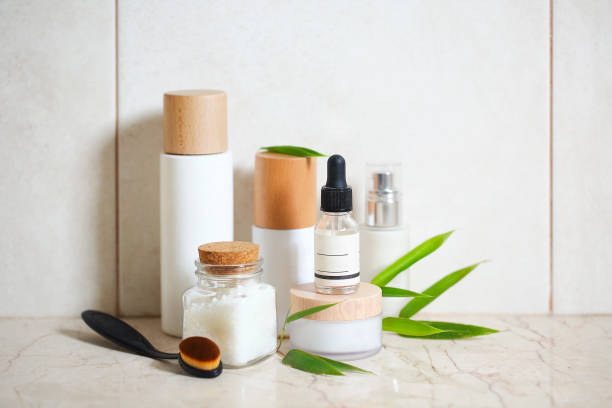
You can spot a luxury serum from across the aisle because of its weight and clarity. You can identify an eco-friendly brand by the matte texture of PCR materials or the natural feel of bamboo accents.
Great packaging communicates brand values without a tagline.
Our blog on first impressions explores this deeper:
https://www.cosmopacks.com/how-cosmetic-packaging-shapes-a-brands-first-impression-and-why-it-matters-more-than-you-think/
4. It works with your production reality.
Founders often fall in love with packaging that looks beautiful but breaks their budget, raises their MOQ, or slows filling.
At Cosmopacks, we try to balance the dream with realistic constraints:
- Flexible MOQ for new brands
- Fast prototyping
- Full design support
- Lean manufacturing processes that reduce waste and cost
Choosing the Right Cosmetic Packaging Supplier Isn’t About Price. It’s About Trust.
Here’s a story that comes up more often than you think.
A brand orders packaging from a supplier they found online. The price looks great. The photos look great. Samples arrive, and they look fine. So they place a large order.
Then production takes longer than expected. Or the bulk order doesn’t match the samples. Or half the bottles arrive scratched because the supplier cut corners on packaging.
Suddenly, a launch that was exciting turns into a scramble.
This is why choosing reliable cosmetic packaging suppliers and manufacturers matters. You’re not choosing a vendor. You’re choosing a long-term partner who influences your product’s reputation.
Here’s what separates a trustworthy supplier like Cosmopacks from a transactional one.
How Reliable Packaging Manufacturers Actually Work
1. They help you think clearly from day one.
The consultation stage is where problems get solved before they ever happen.
Cosmopacks walks through:
- Formula concerns
- Dispensing needs
- Material needs
- Branding direction
- Budget and MOQ
- Filling logistics
Sometimes we tell brands, “That material won’t work for your formula” or “Your customer will find that closure frustrating.” It’s better to be honest than to pretend everything is fine.
2. They offer real customization, not just color changes.
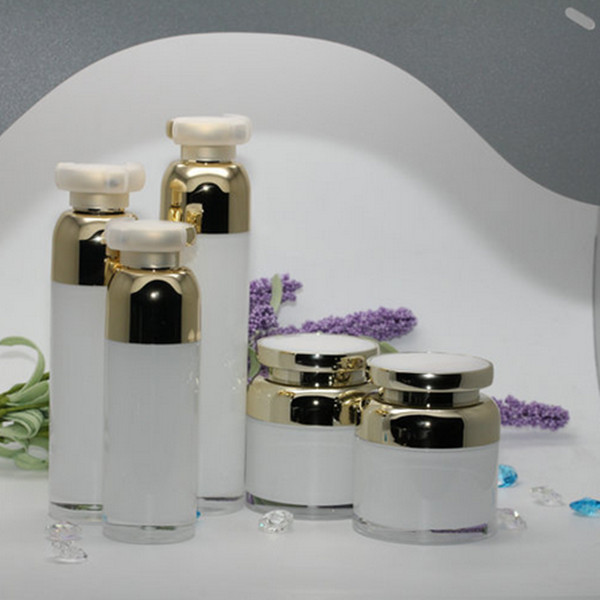
Customization isn’t about slapping a logo on a jar. It’s about:
- Unique shapes
- Custom molds
- Multiple-layer tubes
- Premium finishes
- Special textures
- Durable printing
- Prototyping that reflects real-world use
3. They show you what you’re getting before you commit.
Prototypes matter. You should be able to feel, twist, test, and inspect the container before mass production.
We also offer unlimited sampling before order—a service many suppliers avoid because it’s time-consuming. We’ve learned that sampling saves everyone time and stress down the road.
4. They take quality control seriously.
True manufacturers don’t skip QC. They test:
- Material strength
- Weight consistency
- Thickness
- Compatibility
- Pump flow rate
- Closure tightness
- Color durability
5. They stay accessible.
If you can’t reach your supplier, that’s a red flag.
At Cosmopacks, George and the team communicate directly with brands through every step, especially during development.
What Real Brands Pay Attention To When Choosing a Supplier
Over time, we’ve noticed that brands who succeed tend to ask the same kinds of questions. Here’s what they look for when choosing a cosmetic packaging supplier.
“Can they support our growth?”
A brand may start with a few thousand units. In a year, they might need fifty thousand. If your supplier can’t scale with you, you’ll feel it during crunch time.
Cosmopacks offers both smaller flexible MOQs and large-scale production.
“Do they understand our market?”
North America, Europe, and Australia each have different expectations around materials, recyclability, safety, and design. A supplier who doesn’t understand your market creates risk.
Cosmopacks focuses on these regions, so we follow the standards closely.
“Do they offer sustainable cosmetic packaging options?”
Brands want eco-friendly solutions, but “sustainable” can mean anything from PCR bottles to bamboo caps to reduced-waste production.
We break this down in detail:
https://www.cosmopacks.com/how-to-choose-sustainable-cosmetic-packaging-for-your-brand/
“Can they help us avoid mistakes?”
Mistakes are expensive. A good supplier points out blind spots before you hit them.
For example:
- Certain essential oils degrade PET
- Some formulas need airless protection
- Some tubes need multi-layer construction
- Some pumps need larger actuator surfaces
- Some jars need thicker walls for stability
Experience prevents wasted time and money.
A Closer Look at Packaging Types (and When Brands Use Them)

Here’s a practical breakdown of when different packaging categories work best. If you’re in early development, this will help you narrow the options.
Airless Bottles
Great for:
- Serums
- Light-sensitive formulas
- Anti-aging products
- Products that oxidize easily
Advantage: Protects product integrity and reduces waste.
See examples:
https://www.cosmopacks.com/cosmetic-packaging/cosmetic-bottle/
Cosmetic Tubes
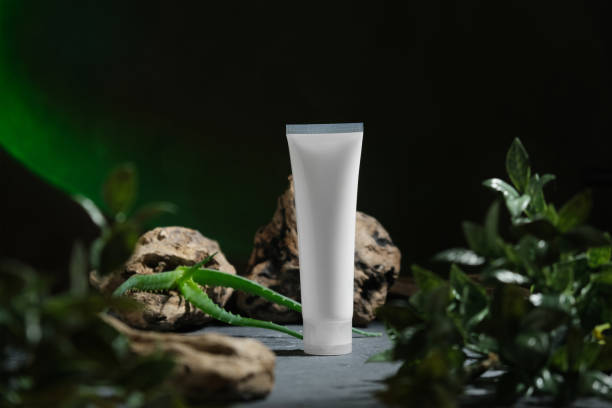
Great for:
- Cleansers
- Sunscreens
- Gels
- Travel-sized products
Why brands love them: Lightweight, flexible, customizable shapes.
Explore tubes:
https://www.cosmopacks.com/cosmetic-packaging/cosmetic-tube/
Cosmetic Jars
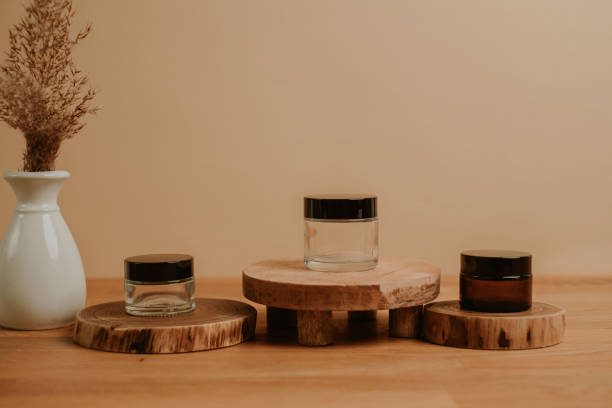
Great for:
- Balms
- Creams
- Masks
Why they work: Customers like the tactile experience. Easy to apply with fingers or a spatula.
More here:
https://www.cosmopacks.com/cosmetic-packaging/cosmetic-jar/
Makeup Packaging
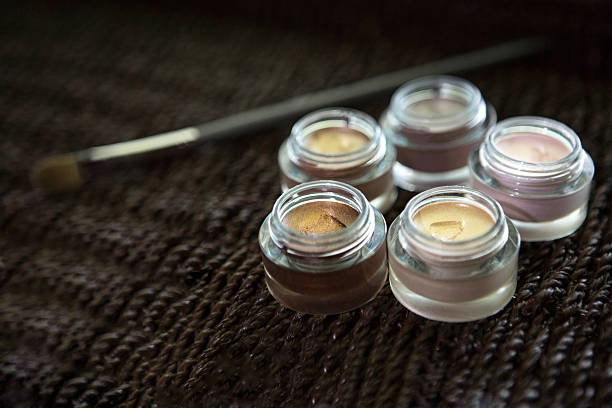
A different world entirely, but full of possibilities for foundations, powders, sticks, and more.
Explore options:
https://www.cosmopacks.com/cosmetic-packaging/makeup-packaging/
Why Some Packaging Looks Beautiful but Fails in the Real World
This is where the stories get interesting.
We’ve seen jars that looked perfect but cracked during filling because the inner walls were too thin. Pumps that clogged because the straw wasn’t suited for viscous formulas. Tubes that dented too easily because the material was too soft.
Beautiful packaging isn’t always functional. And functional packaging isn’t always beautiful.
The sweet spot is where both meet.
This is where Cosmopacks focuses most of our work: balancing aesthetics, practicality, cost, and long-term durability.
A Real-World Example: From Rough Idea to Standout Packaging
A mid-sized Australian brand once came to us with a clear identity but no idea how to express it in packaging. They wanted:
- A jar that felt “clean but premium”
- Custom colors
- A lid that opened smoothly
- Material that wouldn’t react with essential oils
- A sustainable element
- A mid-range MOQ
We started with design sketches, moved to 3D renderings, created several prototypes, tested compatibility, tweaked the wall thickness, adjusted the cap friction, shifted the color tone twice, and produced the final version.
The product became one of their best-sellers.
Great packaging amplifies a good formula. That’s the part people often forget.
How to Choose a Cosmetic Packaging Supplier You Can Trust
If you take nothing else from this article, take this checklist. It will help you evaluate suppliers quickly.
Ask yourself:
- Do they understand cosmetic formulations and compatibility?
- Do they offer sampling and prototyping?
- Can they support custom designs and molds?
- Are their MOQs flexible?
- Can they scale to large production later?
- Do they offer sustainable options?
- Do they provide clear, honest communication?
- Do they have experience with your market (North America, Europe, Australia)?
- Do they follow a real QC process?
- Can they help you avoid mistakes before they happen?
If the answer is “yes” to most of these, you’re in good hands.
Where to Go From Here
If you’re researching cosmetic packaging suppliers, exploring custom cosmetic packaging manufacturers, or simply trying to understand what makes packaging “great,” it helps to talk through your vision with someone who’s been there.
Cosmopacks supports brands at every stage, from first concept to global rollout.
You can explore packaging options here:
https://www.cosmopacks.com/cosmetic-packaging/
See our full service and OEM/ODM breakdown:
https://www.cosmopacks.com/full-service/
Learn about lean manufacturing and sustainability:
https://www.cosmopacks.com/lean-manufacturing/
https://www.cosmopacks.com/sustainability/
Or reach out directly:
https://www.cosmopacks.com/contact/
Final Thoughts
Great cosmetic packaging isn’t the fanciest bottle or the heaviest jar. It’s the packaging that fits your formula, protects your product, supports your brand identity, meets your budget, and leaves your customers feeling something real when they hold it.
Beauty founders often discover this the hard way. But you don’t have to.
The best suppliers don’t just make packaging. They make your life easier. They help your product shine. And they help your brand grow into the version you always imagined.
If you want help exploring options, Cosmopacks is always here to talk through your ideas, guide you through the details, and help you build packaging that feels right for your brand and your customers.