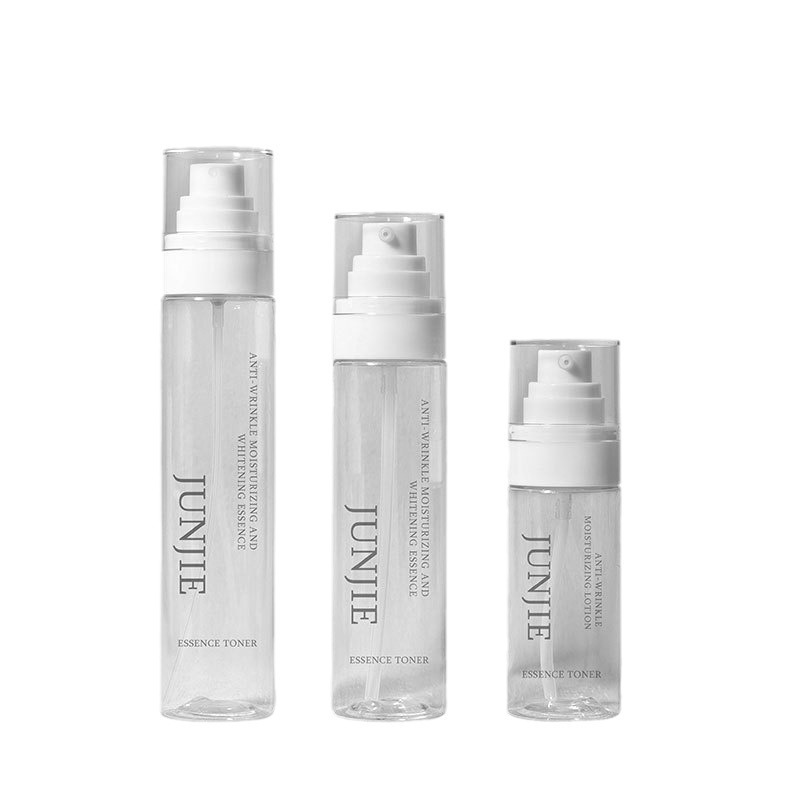
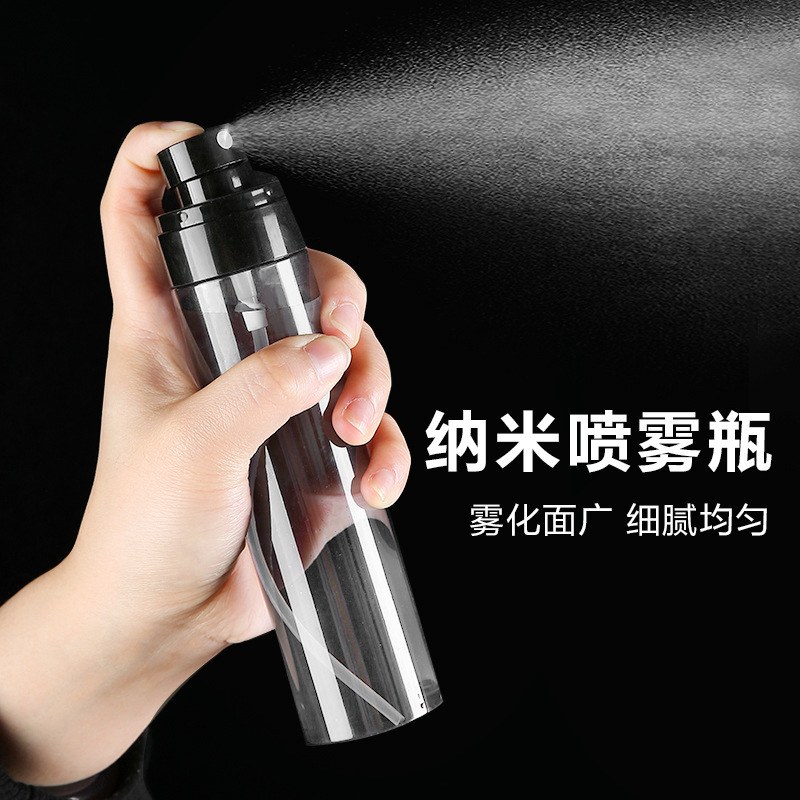
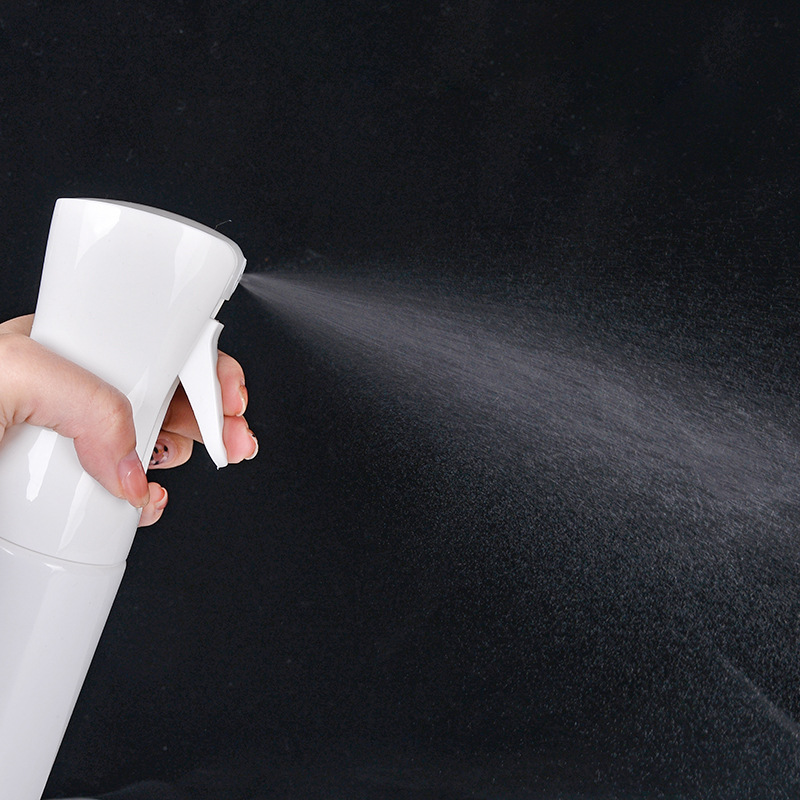
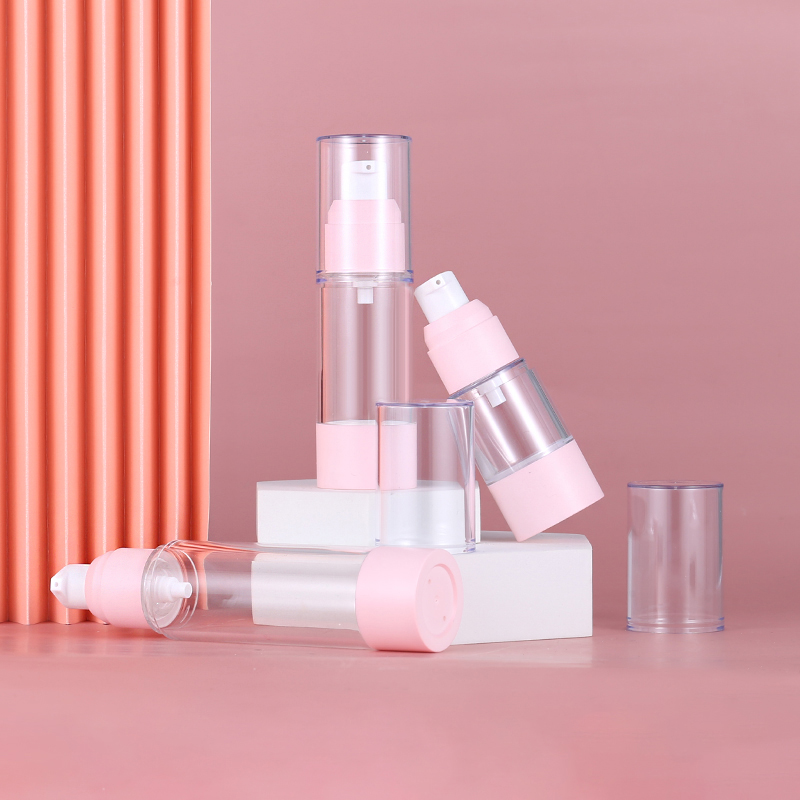
Wholesale Fine Mist Spray Bottles for Cosmetic Products
Fine mist spray bottles are commonly used for facial toners, hydrating mists, makeup setting sprays, hair mists, scalp treatments, body mists, and other low-viscosity cosmetic products. A properly matched sprayer distributes the formula as a controlled mist rather than a concentrated stream, helping create a consistent consumer application experience.
Cosmopacks supplies wholesale cosmetic spray bottles in selected capacities, materials, neck finishes, and decorative styles. Custom colors, printing, labels, coatings, and sprayer finishes are available from a standard MOQ of 5,000 units. The bottle, sprayer, gasket, spring, dip tube, and formula must be evaluated together before the final specification is approved.
Fine Mist Spray Bottle Specifications
| Specification | Available Details |
|---|
| Typical applications | Facial toner, hydrating mist, setting spray, hair mist, scalp treatment and body mist |
| Capacity options | Selected models commonly available from 50ml to 200ml; confirm the current range at inquiry |
| Bottle materials | PET, PETG and other available materials depending on the selected model and formula requirements |
| Sprayer type | Fine mist sprayer for upright use; special dispensing requirements must be confirmed separately |
| Neck finish | Model-dependent; bottle and sprayer neck specifications must match exactly |
| Output per stroke | Model-dependent; nominal output and tolerance should be confirmed on the specification sheet |
| Decoration | Screen printing, labeling, hot stamping, coating and custom color, subject to technical review |
| Standard MOQ | 5,000 units per confirmed color and decoration specification |
| Testing samples | Available for spray-pattern, output, sealing and formula-compatibility evaluation |
Specification notice: Capacity, neck finish, pump output, component materials and decoration availability differ between models. Cosmopacks will confirm the applicable specification after the selected bottle and sprayer combination has been identified.
Applications for Cosmetic Fine Mist Bottles
Facial Toner and Hydrating Mist
Water-based toners and facial mists are common applications for fine mist sprayers. The formula must be sufficiently fluid to pass through the pump channels and nozzle consistently. Thickeners, gums, suspended powders or botanical particles can reduce spray quality or block the nozzle.
Makeup Setting Spray
Setting sprays may contain alcohol, film-forming polymers, fragrance and other ingredients that affect the pump and seal system. Alcohol evaporation can occur without obvious liquid leakage, so filled-package weight-loss testing is especially important for these formulas.
Hair Mist and Scalp Treatment
Fine mist bottles can be used for lightweight hair products and scalp treatments when the formula is compatible with the selected pump. Products containing oils, silicones, salts or suspended ingredients require additional testing for spray consistency, nozzle buildup and actuator return.
Body and Fragrance Mist
Body mists frequently contain alcohol and fragrance oils. These ingredients may affect seals, gaskets, springs, dip tubes, coatings and printed decoration. The complete assembled package should therefore be tested rather than evaluating only the bottle resin.
Spray Performance: What Buyers Should Evaluate
A fine mist sprayer should not be selected only by appearance. Two sprayers with similar external designs can produce noticeably different spray patterns and delivered doses.
- Spray pattern: Check whether the spray forms an even mist without large droplets or a concentrated center stream.
- Spray angle: Confirm that the spray coverage is suitable for the intended facial, hair or body application.
- Output per stroke: Measure the average dose over multiple strokes using the actual formula.
- Priming: Record the number of strokes required before consistent product discharge begins.
- Actuator return: Confirm that the actuator returns fully without sticking after repeated use.
- Nozzle behavior: Watch for clogging, dripping, spitting, foaming or dried product buildup.
- Low-fill performance: Verify that the dip tube continues drawing product as the bottle approaches empty.
Spray testing should be conducted using production-representative sprayers, dip tubes and bottles. Results obtained with water alone may not represent performance with the finished formula.
Alcohol-Containing Formulas and Evaporation Risk
Alcohol-containing toners, setting sprays and fragrance mists require special attention. Ethanol may evaporate through an imperfect closure system even when no visible leakage is present. This can cause package weight loss, concentration changes, odor variation and reduced fill volume during storage.
Before approving a package for an alcohol-containing formula, verify:
- The alcohol percentage and complete solvent system;
- The gasket, valve, dip tube and spring materials;
- The bottle and sprayer neck dimensions;
- The application torque and collar seating;
- Upright, side and inverted leakage performance where appropriate;
- Weight loss during room-temperature and elevated-temperature storage;
- Spray performance after extended formula contact;
- Corrosion, swelling, discoloration or odor transfer.
No general alcohol-percentage limit should be applied to every PET bottle or sprayer. Suitability depends on the complete formulation, storage temperature, bottle design, closure system and intended shelf life.
PET or PETG for a Fine Mist Spray Bottle?
PET Bottles
PET provides good clarity, relatively low weight and broad availability for cosmetic bottles. It also has a more established recycling stream than PETG in many markets. PET is frequently selected for water-based toner and facial mist packaging, but compatibility still needs to be confirmed with the finished formula.
PETG Bottles
PETG can provide a glass-like appearance and is used for premium cosmetic designs. Its heat resistance, chemical compatibility and recycling pathway differ from PET. Avoid assuming that PETG can use the same filling conditions or recycling claims as PET.
For a more detailed material comparison, review our PET vs PETG vs PP skincare packaging guide.
Neck Finish, Dip Tube and Seal Selection
A stated neck diameter alone does not guarantee compatibility. The bottle and sprayer must match in thread diameter, thread profile, finish height, sealing surface and closure design. Similar designations can still differ in dimensions and performance.
The dip tube should be cut for the selected bottle geometry. A tube that is too long may bend against the base, restrict product flow or interfere with collar seating. A tube that is too short may leave excessive product in the bottle.
When investigating leakage around the shoulder or neck, examine the neck finish, liner or gasket, application torque, collar seating, dip-tube interference, bottle ovality and temperature history. Do not assume that every leakage complaint is caused by the gasket alone.
Recommended Compatibility and Transit Testing
Cosmopacks recommends testing production-representative samples with the customer’s actual formula before mass production.
- Initial appearance, weight and spray-output measurements;
- Room-temperature and elevated-temperature storage;
- Temperature cycling when the distribution route requires it;
- Upright and side storage, plus inverted testing where relevant;
- Repeated actuation and spray-pattern inspection;
- Weight-loss monitoring for volatile formulas;
- Drop, vibration and transportation simulation;
- Decoration adhesion and resistance to formula contact.
Read our cosmetic packaging compatibility testing guide for additional testing considerations.
Frequently Asked Questions
What products can use a fine mist spray bottle?
Common applications include facial toner, hydrating mist, makeup setting spray, lightweight hair treatment, scalp spray and body mist. The formula must be evaluated for viscosity, particles, oils, alcohol and other ingredients that may affect the sprayer.
Can a standard fine mist sprayer work upside down?
Most standard dip-tube sprayers are designed primarily for upright use. If a product requires inverted or 360-degree spraying, this requirement must be stated at the inquiry stage so an appropriate dispensing system can be evaluated.
Is the packaging suitable for an alcohol-based setting spray?
It may be suitable, but the complete bottle-and-sprayer assembly must be tested with the actual formula. Weight loss, seal integrity, spring and gasket compatibility, spray performance and decoration resistance should all be evaluated.
What is the MOQ for custom fine mist spray bottles?
The standard MOQ is 5,000 units per approved color and decoration specification. Special materials, custom components or new tooling may require a different quantity.
Can the bottle and spray head be customized?
Yes. Options may include custom bottle color, printing, labels, coatings, hot stamping and different sprayer finishes. Availability depends on the selected bottle, sprayer and production process.
What information should I send when requesting samples?
Provide the desired capacity, formula type, approximate viscosity, alcohol percentage, filling temperature, target spray experience, decoration requirements, destination market and estimated quantity. This information helps identify an appropriate bottle and sprayer combination.
Request Fine Mist Spray Bottle Samples
Share your formula, capacity, spray requirements and decoration preferences. Cosmopacks will recommend suitable options for compatibility and dispensing evaluation.
Request Samples & Pricing